1. What Are Superfoods and Why They Matter
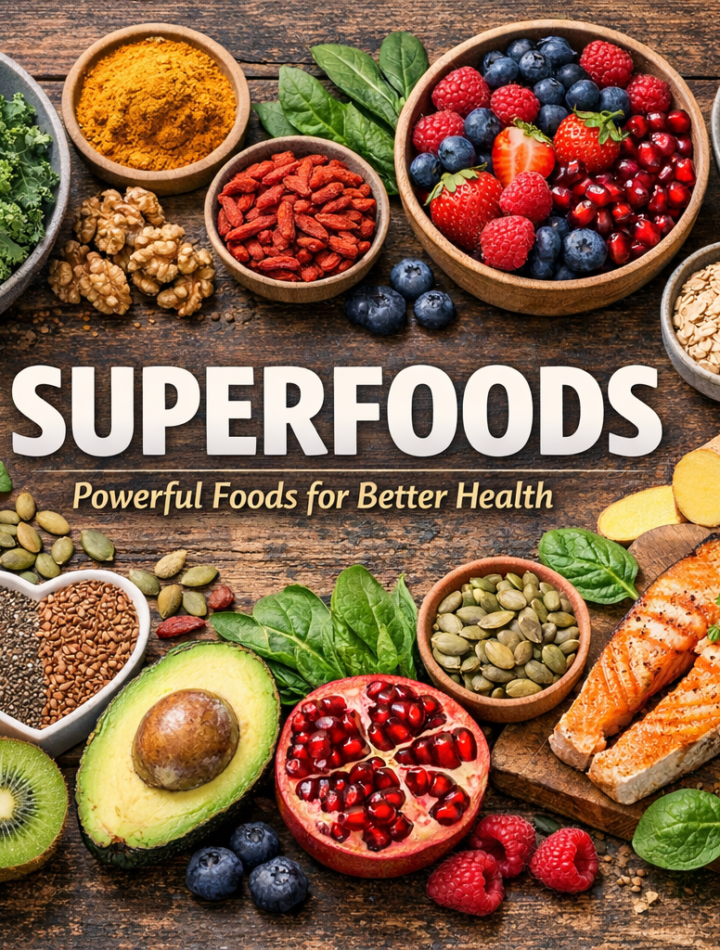
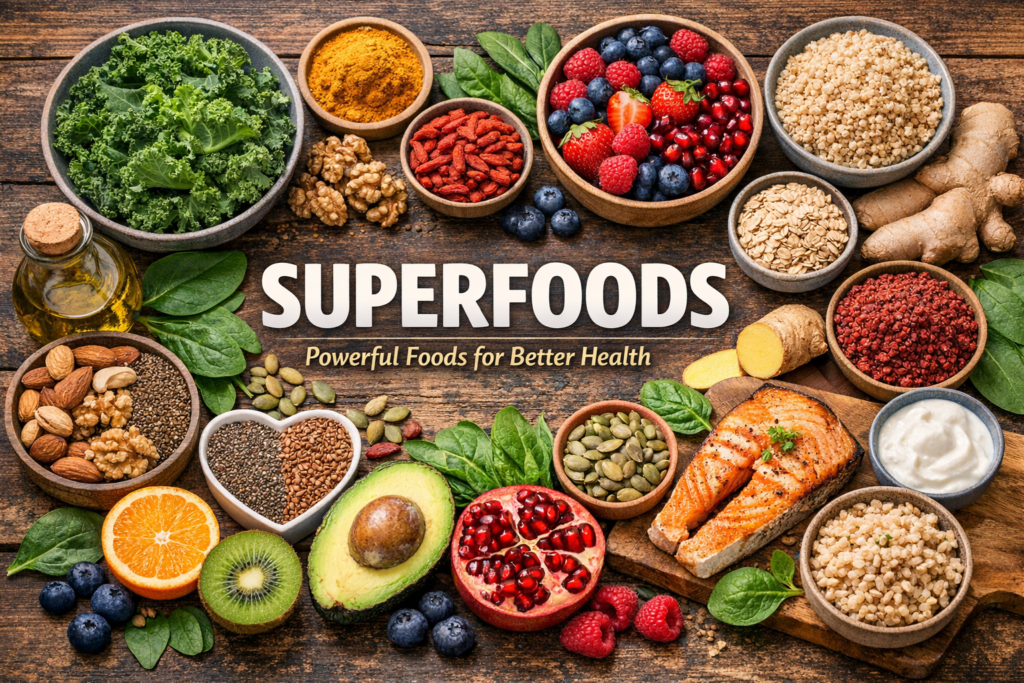
Superfoods are nutrient-rich foods that provide a high amount of vitamins, minerals, antioxidants, and other health-boosting compounds. These foods are known for their ability to improve overall health, boost immunity, and reduce the risk of various diseases. Including superfoods in your daily diet doesn’t require drastic changes—simple additions like fruits, seeds, and leafy greens can make a big difference. They help your body function better and support long-term wellness.
2. Green Leafy Vegetables for Daily Nutrition
Leafy greens like spinach, kale, and broccoli are considered some of the best superfoods available. They are packed with iron, calcium, fiber, and essential vitamins that support strong bones and healthy blood circulation. Adding these vegetables to your meals—whether in salads, soups, or cooked dishes—can significantly improve your nutritional intake. Regular consumption also helps detoxify the body and maintain a healthy digestive system.
3. Nuts and Seeds for Energy and Strength
Nuts and seeds such as almonds, walnuts, chia seeds, and flaxseeds are excellent sources of healthy fats, protein, and omega-3 fatty acids. These nutrients are essential for brain health, heart health, and sustained energy levels. Eating a small handful of nuts daily can help reduce bad cholesterol and improve overall body function. They also make a perfect healthy snack option when you need quick energy.
4. Fruits Rich in Antioxidants
Fruits like berries, oranges, apples, and pomegranates are loaded with antioxidants that protect your body from harmful free radicals. These antioxidants help slow down aging, improve skin health, and strengthen the immune system. Including a variety of fruits in your daily diet ensures that your body gets a wide range of nutrients. Fresh fruits are always a better alternative to sugary desserts and processed snacks.
5. Whole Grains for Long-Lasting Energy
Whole grains such as oats, quinoa, brown rice, and whole wheat are rich in fiber and complex carbohydrates. These foods provide steady energy throughout the day and help maintain healthy digestion. Unlike refined grains, whole grains keep you full for longer periods and prevent sudden spikes in blood sugar levels. Incorporating them into your meals can support weight management and overall health.
6. Dairy and Alternatives for Strong Bones
Milk, yogurt, paneer, and plant-based alternatives like almond milk are important sources of calcium and protein. These nutrients are essential for maintaining strong bones and teeth. Including dairy or its alternatives in your daily diet helps prevent bone-related issues and supports muscle strength. Choosing low-fat or natural options can make your diet even healthier.
7. Healthy Fats for Heart Health
Healthy fats found in foods like avocados, olive oil, and nuts are crucial for maintaining heart health. These fats help reduce bad cholesterol levels and improve good cholesterol in the body. Including the right amount of healthy fats in your diet can also improve brain function and keep your skin healthy. The key is to consume them in moderation as part of a balanced diet.
8. Make Superfoods a Daily Habit
The real benefit of superfoods comes from consistency. Instead of consuming them occasionally, try to include them in your daily meals in simple ways. Add seeds to your breakfast, include vegetables in lunch, and snack on fruits instead of junk food. Small, consistent habits can lead to significant improvements in your health over time. Making superfoods a part of your routine ensures a healthier and more energetic lifestyle.